Good Eco News!

Back to Good Eco News Articles
Vancouver school student presents Artivism project

“Artevism”: Adult-Supported, Kid-Led Action Turns Anxiety into Agency

These kids put a powerful new spin on “the plastic arts”!

In the fall of 2025, Future Chicken partnered with a British Columbia school to pilot a project in kid-led environmental activism. The result is a highly engaged group of students with a deeper understanding of waste, sustainability, and — importantly — their own agency in creating environmental change.

Inspired by Robin “The Trash Man” Green’s interview on the Future Chicken Today Show, grade 5 and 6 students at Florence Nightingale Elementary in Vancouver began gathering plastic waste from their homes and communities. They investigated its origins and what would happen to it in the waste and recycling streams, or in the natural environment. Then they turned it into sculptures of marine mammals for a thought-provoking art installation that was shared with parents, fellow students, and guests.

But the story doesn’t end there. The kids and Future Chicken collaborated on a top-notch video to amplify their voices and inspire others to find their own.

What if You Could Make Ocean Plastic Magnetic?

You can’t remove plastic from the ocean with a magnet. But wouldn’t it be great if we could?  Enter Moroti Adegboyega, a high school student from St. John’s, Newfoundland. He dared to ask that question, and followed it up with an all-important second one: How can I make it happen? The result, after lots of […]

Read more

A Food Waste Mission: Rescue That Ingredient

This eco-mission, should you choose to accept it, involves recruiting your kids.  Open the fridge. Find one ingredient that’s about to go bad. Then challenge your kids to invent a creative way to use it in a snack or a meal. Maybe it will be become a smoothie. Maybe a soup. Maybe something entirely new. […]

Read more

Future Chicken Pakistan is Growing Climate Heroes

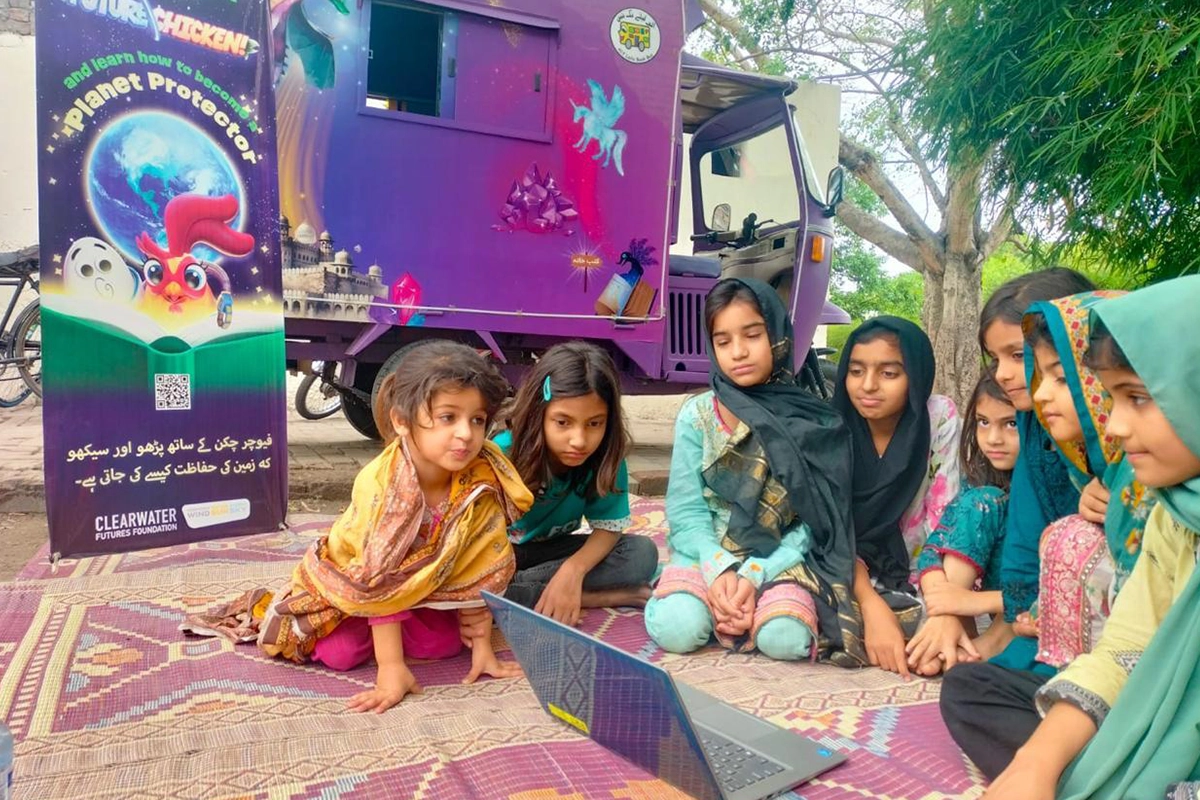
In Pakistan, children are feeling the effects of climate change firsthand. Many were displaced by flooding in 2025; others live in cities choked by air pollution. These are the children who most need to bridge the “hope gap” and know that they are not helpless. 

Read more